
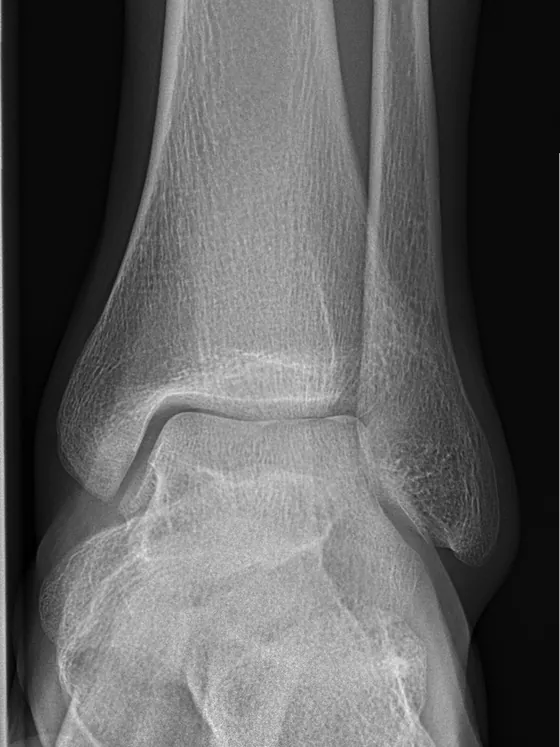
What is orthopaedic trauma?
Orthopaedic trauma refers to injuries affecting the bones, joints, ligaments, muscles and other structures of the musculoskeletal system. These injuries can follow road traffic accidents, falls, sports injuries, workplace accidents or other high-impact events. Depending on the severity, trauma may involve:
- Simple fractures
- Complex fractures
- Multiple fractures
- Open fractures
- Joint dislocations
- Fracture-dislocations
- Pelvic and acetabular injuries
- Non-healing fractures
- Malunited fractures
- Post-traumatic deformities
- Injuries involving the surrounding soft tissues
Early assessment is important, particularly when there is significant deformity, an open wound, severe pain, loss of movement, or suspected damage to blood vessels or nerves.
Complex trauma & fracture care
Complex trauma may involve multiple injuries or fractures that need detailed assessment and specialised treatment planning. Care is provided for selected complex injuries, including:
- High-energy accident injuries
- Multiple fractures
- Open fractures
- Complex joint fractures
- Pelvic and acetabular fractures
- Fracture-dislocations
- Non-union or non-healing fractures
- Malunited fractures
- Post-traumatic deformities
- Complex limb injuries
Treatment is decided after evaluating the injury pattern, soft-tissue condition, imaging findings, overall health and other factors that may influence recovery.
Trauma & fracture treatment options
Non-surgical fracture treatment
Some stable fractures can be treated without surgery, using methods such as:
- Plaster or cast immobilisation
- Bracing
- Splints
- Activity modification
- Regular imaging and clinical monitoring
- Physiotherapy and rehabilitation
Surgical fracture fixation
Surgery may be required when a fracture is unstable, displaced, open, involves a joint, or is unlikely to heal properly without fixation. Depending on the injury, fixation may involve:
- Plates and screws
- Intramedullary nails
- External fixation
- Wires or other fixation devices
- Joint-specific fixation techniques
The choice of fixation method depends on the location, pattern and severity of the fracture.
Pelvic & acetabular fracture care
Pelvic and acetabular fractures can be complex because of the anatomy involved and their potential effect on mobility and surrounding structures. Treatment needs detailed imaging and careful surgical planning where operative management is necessary. The approach depends on:
Open fracture management
An open fracture occurs when a broken bone is associated with an open wound that communicates with the fracture site. These injuries need prompt medical assessment because of the risk of infection and damage to surrounding tissues. Management may involve:
- Emergency assessment and stabilisation
- Wound evaluation and cleaning
- Surgical debridement where required
- Fracture stabilisation
- Antibiotic treatment as clinically indicated
- Soft-tissue management
- Follow-up and rehabilitation
The treatment plan depends on the severity of the wound, fracture pattern, soft-tissue condition and associated injuries.
Non-healing & malunited fractures
Non-union
A fracture that does not progress towards normal healing within the expected period.
Malunion
A fracture that heals but leaves the bone in an abnormal alignment or position.
Depending on the underlying problem, treatment may involve further investigation, bone grafting, fixation, corrective osteotomy or other reconstructive procedures. The approach is decided after assessing previous treatment, fracture alignment, bone healing and functional limitations.
Limb reconstruction & salvage
Severe trauma can sometimes cause extensive damage to bones, joints, blood vessels, nerves and soft tissues. In selected cases, limb reconstruction or salvage procedures may be considered to preserve the affected limb and restore as much function as possible.
Such cases often need detailed planning and may involve staged treatment, fracture fixation, soft-tissue procedures, bone reconstruction and rehabilitation, depending on the extent of injury and the patient’s overall medical condition.
How trauma care is planned
Initial assessment
The patient’s overall condition is assessed, along with the extent of the orthopaedic injury and any associated injuries.
Imaging & diagnosis
X-rays, CT scans, MRI or other investigations may be recommended depending on the injury.
Treatment planning
The injury pattern, soft-tissue condition, medical history and functional requirements guide the choice between non-surgical treatment, fixation, reconstruction or staged procedures.
Surgical or non-surgical treatment
The selected treatment is carried out according to the injury and the patient’s individual requirements.
Rehabilitation & follow-up
Recovery may include physiotherapy, gradual mobilisation, strengthening, wound care and regular clinical and imaging follow-up.
Dr. Shaiwal Saxena’s approach to trauma care
Dr. Shaiwal Saxena is an AO Certified Trauma Surgeon. His approach emphasises detailed assessment and individualised treatment planning, including:
- Comprehensive assessment of traumatic injuries
- Treatment planning based on the fracture pattern and soft-tissue condition
- Modern fracture fixation techniques
- Management of complex and multiple fractures
- Care for selected pelvic and acetabular injuries
- Management of non-healing and malunited fractures
- Reconstruction and limb-salvage procedures where appropriate
- Post-treatment rehabilitation and follow-up
Technology may be used as appropriate for surgical planning, imaging or selected procedures, but treatment decisions remain based on the patient’s clinical requirements.
Recovery after trauma surgery
Recovery after an orthopaedic injury or trauma surgery varies significantly from patient to patient. Factors that can influence recovery include:
Some patients begin movement early, while complex injuries may need a longer period of protected weight-bearing and rehabilitation. Your surgeon will give specific guidance on movement, weight-bearing, physiotherapy, wound care and return to daily activities.
Frequently asked questions
What is complex trauma?
Complex trauma generally refers to severe or multiple musculoskeletal injuries that may involve complicated fractures, joint injuries, soft-tissue damage or several areas of the body, and that need specialised treatment planning.
Can every fracture be treated without surgery?
No. Some stable fractures can be managed without surgery, while displaced, unstable, open or certain joint-involving fractures may need surgical fixation.
What is an open fracture?
An open fracture occurs when there is a wound associated with the fracture that communicates with the broken bone or fracture site. It needs prompt medical evaluation and appropriate treatment.
What is the difference between a non-union and a malunion?
A non-union occurs when a fracture fails to heal adequately, while a malunion occurs when the fracture heals but in an abnormal alignment or position.
How long does it take to recover from complex trauma?
There is no single recovery timeline for complex trauma. Recovery depends on the severity and type of injury, the treatment performed, bone and soft-tissue healing, overall health and rehabilitation.
When should I seek emergency care after an injury?
Severe pain, significant deformity, uncontrolled bleeding, an open wound, inability to move or bear weight, numbness, loss of sensation, or a suspected major fracture all need urgent medical assessment.
This page is general information for patient awareness and is not a substitute for a consultation. Suitability for any treatment is decided after clinical evaluation.