
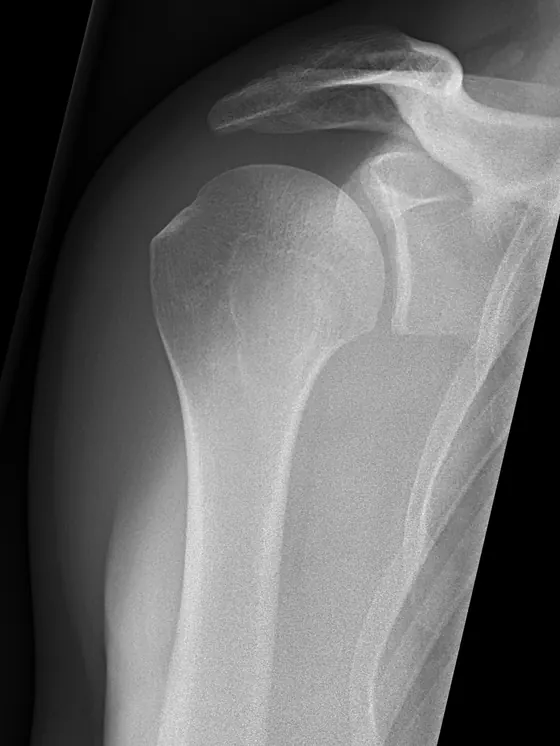
What is arthroscopy?
Arthroscopy is a minimally invasive surgical technique that uses a small camera, known as an arthroscope, to view the inside of a joint. The surgeon can use specialised instruments through small incisions to diagnose and treat certain joint conditions.
Arthroscopy may be performed on joints including the:
The specific procedure depends on the joint involved and the underlying condition.
Sports injuries & joint conditions treated
Dr. Shaiwal Saxena evaluates and treats a range of sports-related injuries and joint conditions, including:
- ACL and PCL injuries
- Meniscus tears
- Cartilage injuries
- Rotator cuff injuries
- Shoulder instability
- Labral injuries
- Sports-related ligament injuries
- Joint instability
- Selected hip and ankle injuries
- Recurrent knee, shoulder, hip or ankle problems
Treatment is selected after considering the nature and severity of the injury, symptoms, physical examination, imaging findings, activity requirements and previous treatment.
Arthroscopic procedures
Knee arthroscopy
Knee arthroscopy may be used to diagnose and treat selected conditions involving the meniscus, cartilage, ligaments and other structures within the knee. Depending on the injury, procedures may include:
- Meniscus repair
- Meniscus treatment
- ACL reconstruction
- PCL reconstruction
- Cartilage procedures
- Treatment of selected joint conditions
Shoulder arthroscopy
Shoulder arthroscopy may be recommended for selected conditions affecting the rotator cuff, labrum or shoulder stability. Procedures may include:
- Rotator cuff repair
- Labral repair
- Treatment of shoulder instability
- Selected cartilage procedures
- Arthroscopic treatment of other shoulder conditions
Hip arthroscopy
Hip arthroscopy is used for selected conditions affecting the structures within and around the hip joint. Depending on the diagnosis, treatment may include:
- Labral repair
- Treatment of femoroacetabular impingement
- Selected cartilage procedures
- Removal of loose or damaged tissue
Ankle, wrist & elbow arthroscopy
Arthroscopy can also be used for selected conditions affecting the ankle, wrist and elbow. The appropriate procedure depends on the location and nature of the injury or joint problem.
When is arthroscopy recommended?
Arthroscopy may be considered when a joint condition requires surgical treatment and a minimally invasive approach is clinically appropriate. It may be recommended for selected patients with:
- Persistent joint pain
- Recurrent swelling
- Joint instability
- Restricted movement
- Ligament injuries
- Meniscus or cartilage damage
- Sports-related injuries
- Symptoms that have not improved with appropriate non-surgical treatment
Not every joint problem requires arthroscopy. Depending on the diagnosis, treatment may instead involve medication, physiotherapy, activity modification, injections or another surgical approach.
How arthroscopy works
Clinical evaluation
Your symptoms, medical history, physical condition, activity level and previous treatment are evaluated.
Diagnostic assessment
Imaging and other investigations may be recommended to understand the injury and the extent of joint damage.
Treatment planning
Suitable non-surgical and surgical options are discussed. If arthroscopy is appropriate, the procedure and expected recovery are explained.
Arthroscopic procedure
A small camera is introduced into the joint through a small incision. Specialised instruments may be inserted through additional small incisions to perform the treatment.
Rehabilitation & follow-up
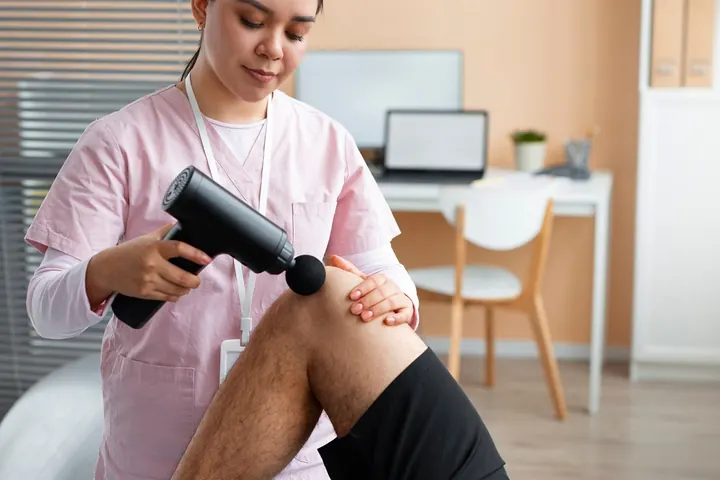
Recovery depends on the procedure and the structures treated. Physiotherapy and rehabilitation may form an important part of recovery and return to activity.
Arthroscopy for athletes & active people
Returning to sport involves more than treating the injury. Rehabilitation also needs to address strength, flexibility, joint stability, movement patterns and sport-specific requirements. For athletes and active people, treatment planning may include:
- Injury-specific rehabilitation
- Progressive strengthening
- Mobility and flexibility exercises
- Joint stability training
- Functional movement assessment
- Gradual return to physical activity
- Sport-specific rehabilitation where appropriate
The timing of return to sport varies according to the injury, procedure, healing process and individual rehabilitation progress.
Dr. Shaiwal Saxena’s approach to arthroscopy & sports injuries
Dr. Shaiwal Saxena has fellowship training in arthroscopy and sports medicine, and in joint preservation and reconstruction. His approach focuses on:
- Detailed assessment of the injury
- Accurate diagnosis and treatment planning
- Minimally invasive techniques where appropriate
- Preservation of healthy joint structures where possible
- Individualised rehabilitation planning
- Clear communication throughout treatment
- Follow-up focused on mobility and function
The goal is to select the treatment most appropriate for the patient’s specific injury and requirements.
Recovery after arthroscopy
Recovery following arthroscopy varies depending on the joint treated, the procedure performed, the severity of the injury and individual healing and rehabilitation. Depending on the procedure, recovery may involve:
- Early movement as advised by the surgical team
- Physiotherapy
- Strength and mobility exercises
- Temporary activity restrictions
- Gradual return to work or daily activities
- Sport-specific rehabilitation
- Regular follow-up
Some patients resume certain activities relatively quickly, while ligament reconstruction and other complex procedures can require a longer rehabilitation period. Physiotherapy support is available at the Bhopal clinic.
Frequently asked questions
What is arthroscopy?
Arthroscopy is a minimally invasive procedure that uses a small camera and specialised instruments to diagnose and treat selected conditions inside a joint.
Which joints can be treated with arthroscopy?
Arthroscopy can be performed on several joints, including the knee, shoulder, hip, ankle, wrist and elbow, depending on the condition and the procedure required.
What sports injuries can be treated with arthroscopy?
Selected ACL and PCL injuries, meniscus tears, cartilage injuries, rotator cuff problems, labral injuries and certain joint instability conditions may be treated using arthroscopic techniques.
Is arthroscopy suitable for everyone?
No. Arthroscopy is appropriate for selected conditions. The decision depends on the diagnosis, severity of the injury, imaging findings, symptoms and previous treatment.
How long does recovery take after arthroscopy?
Recovery varies significantly depending on the procedure. A simple arthroscopic procedure may have a different recovery timeline from ligament reconstruction or cartilage surgery. Your surgeon will provide a recovery plan based on your specific procedure.
Can I return to sports after arthroscopy?
Many patients can return to sports after appropriate treatment and rehabilitation, but the timing depends on the injury, procedure, healing, strength and functional recovery. Return to sport should be guided by the treating team.
Is arthroscopy better than open surgery?
Arthroscopy offers a minimally invasive approach for selected joint conditions, but it is not appropriate for every injury. The most suitable surgical technique depends on the condition being treated.
This page is general information for patient awareness and is not a substitute for a consultation. Suitability for any treatment is decided after clinical evaluation.