
What is arthroplasty?
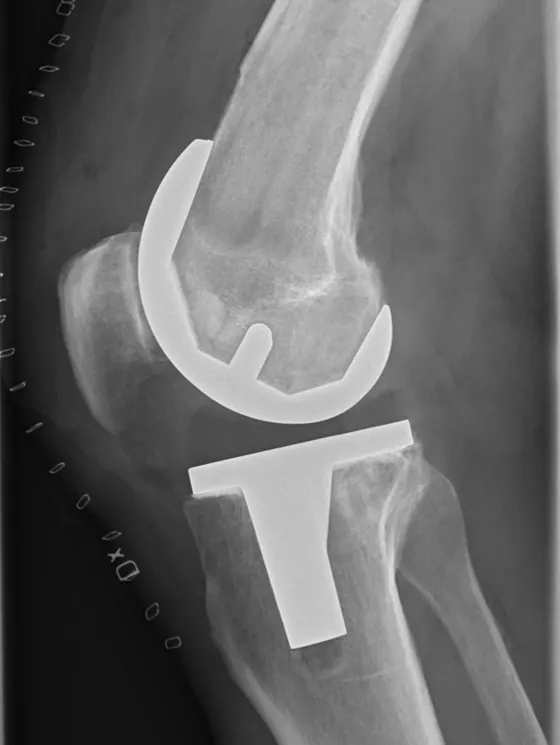
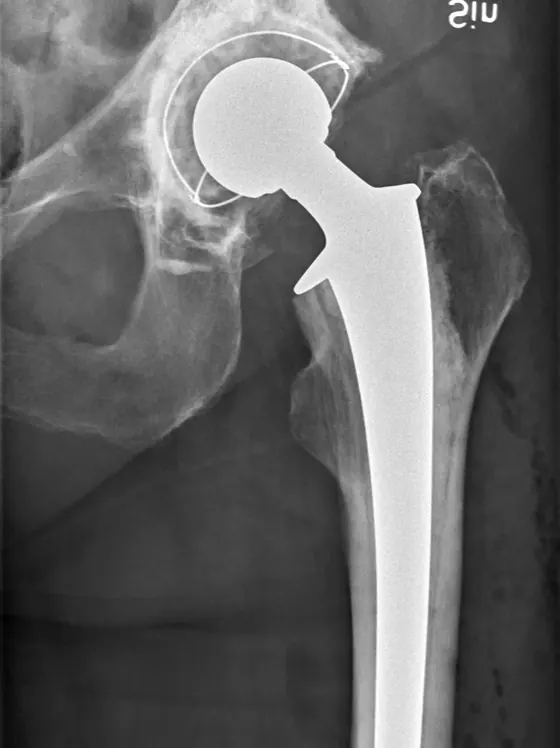
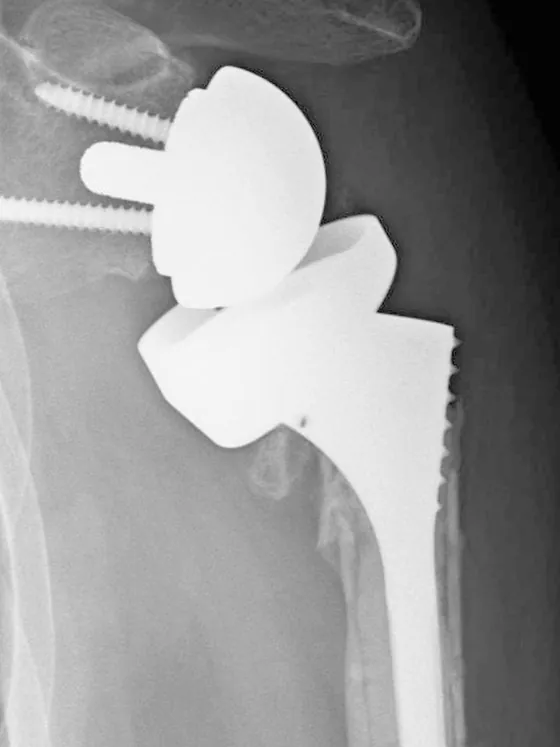
Arthroplasty, commonly known as joint replacement surgery, is a procedure in which a damaged or severely affected joint is replaced with an artificial implant.
Joint replacement may be considered when damage to the joint causes persistent pain, stiffness, restricted movement, or difficulty performing everyday activities, and when appropriate non-surgical treatments have not provided sufficient relief.
Depending on the patient’s condition, arthroplasty may involve:
- Knee replacement
- Partial knee replacement
- Hip replacement
- Shoulder replacement
- Revision joint replacement
- Other joint replacement procedures where clinically appropriate
The decision to undergo joint replacement is based on a detailed clinical evaluation rather than symptoms alone.
When is joint replacement considered?
Joint replacement may be recommended for patients with significant joint damage or degenerative conditions that affect mobility and daily activities. Common conditions associated with joint replacement include:
- Advanced osteoarthritis
- Severe cartilage or joint damage
- Significant pain and stiffness affecting daily activities
- Failure of appropriate non-surgical treatment
- Rheumatoid arthritis
- Post-traumatic arthritis
- Joint damage resulting from previous injury
- Certain cases requiring revision of a previous joint replacement
A consultation and appropriate diagnostic assessment help determine whether joint replacement is suitable and which treatment approach may be appropriate.
Robotic-assisted joint replacement
Robotic-assisted joint replacement uses advanced technology to support the surgeon in planning and performing selected joint replacement procedures.
Before surgery, digital imaging and computer-assisted planning can help create a detailed understanding of the patient’s individual joint anatomy. During the procedure, the technology can assist the surgeon with planned bone preparation and implant positioning.
The robotic system does not replace the surgeon. Dr. Shaiwal Saxena remains responsible for evaluating the patient, planning the procedure, making surgical decisions and performing the operation. Robotic technology serves as an additional tool to support surgical planning and execution.
How robotic joint replacement works
Detailed evaluation
A clinical assessment, medical history, physical examination and appropriate imaging to understand the condition of the affected joint.
Personalised surgical planning
Patient-specific information is used to plan the procedure and determine the appropriate surgical approach and implant positioning.
Technology-assisted surgery
During surgery, the robotic-assisted system supports the surgeon in carrying out the planned procedure with controlled, precise movements.
Recovery & rehabilitation
Patients receive guidance on mobility, physiotherapy, rehabilitation and follow-up according to their procedure and individual recovery requirements.
Knee & hip replacement
Knee replacement
Knee replacement may be considered when advanced joint damage causes persistent pain, stiffness, and difficulty with walking or everyday activities. Depending on the extent and location of the damage, treatment may involve:
- Total knee replacement
- Partial knee replacement
- Revision knee replacement
Robotic-assisted technology may be considered in appropriate cases to support pre-operative planning and surgical execution.
Hip replacement
Hip replacement may be recommended when significant damage to the hip joint causes pain and restricted mobility that affects everyday life. Depending on the patient’s condition, treatment may involve total hip replacement or other appropriate reconstructive options.
The treatment approach is determined after evaluating the condition of the hip joint, overall health, age, activity level and individual requirements.
What robotic assistance can help with
Robotic-assisted technology can provide additional support during surgical planning and selected stages of joint replacement surgery, including:
- Detailed pre-operative planning
- Patient-specific surgical planning
- Technology-assisted implant positioning
- Controlled bone preparation
- Support for accurate alignment
- Assistance in maintaining the planned surgical approach
The benefits and suitability of robotic-assisted surgery vary according to the patient’s condition and procedure. The decision to use robotic assistance is made by the treating surgeon based on clinical requirements.
Dr. Shaiwal Saxena’s approach to joint replacement
Dr. Shaiwal Saxena has fellowship training in arthroplasty and robotic joint replacement. His approach focuses on:
- Detailed evaluation before surgery
- Individualised treatment planning
- Appropriate use of robotic-assisted technology
- Modern joint replacement techniques
- Clear communication about treatment options
- Structured post-operative rehabilitation and follow-up
The objective is to select the most appropriate treatment approach for each patient rather than applying the same procedure to every case.
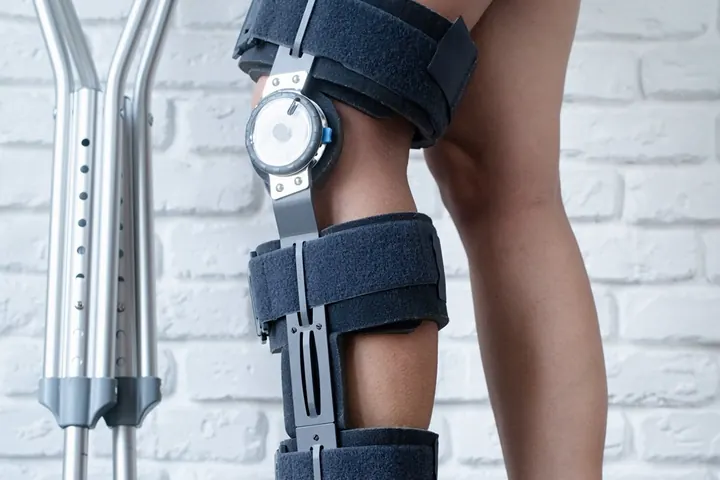
Recovery after joint replacement
Recovery after joint replacement varies from person to person and depends on factors such as the type of procedure, overall health, physical condition and adherence to rehabilitation. Post-operative care may include:
- Early mobilisation as advised by the surgical team
- Physiotherapy and strengthening exercises
- Wound and surgical-site care
- Gradual return to daily activities
- Regular follow-up appointments
Physiotherapy support is available at the Bhopal clinic. Following the recommended rehabilitation plan is an important part of recovery.
Frequently asked questions
What is robotic-assisted joint replacement?
Robotic-assisted joint replacement is a surgical procedure in which robotic technology supports the surgeon with pre-operative planning and selected steps of the operation. The surgeon remains in control of the procedure.
Is robotic joint replacement suitable for everyone?
Not necessarily. Suitability depends on the patient’s diagnosis, joint condition, anatomy, medical history and treatment requirements. A detailed consultation is required to determine whether robotic assistance is appropriate.
What is the difference between robotic and conventional joint replacement?
Both procedures are performed by the surgeon. Robotic-assisted surgery adds technology-supported planning and assistance during selected surgical steps. The appropriate approach depends on the individual patient and procedure.
Which joints can be replaced using robotic-assisted technology?
Robotic-assisted technology is commonly used for selected knee and hip replacement procedures, with availability and suitability depending on the specific technology, procedure and patient.
How long does it take to recover after joint replacement?
Recovery varies depending on the joint replaced, the surgical procedure, overall health and rehabilitation. Your surgeon and physiotherapy team will provide a recovery plan based on your individual case.
How do I know whether I need joint replacement?
Persistent pain, stiffness, restricted movement and difficulty with everyday activities can be signs of significant joint damage, but these symptoms do not automatically mean that replacement is required. A consultation and appropriate diagnostic evaluation are needed to determine the cause and treatment options.
This page is general information for patient awareness and is not a substitute for a consultation. Suitability for any treatment is decided after clinical evaluation.