
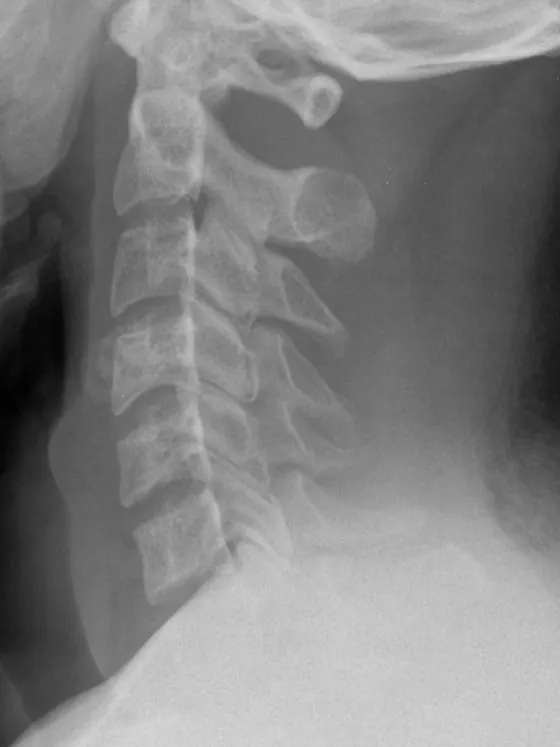
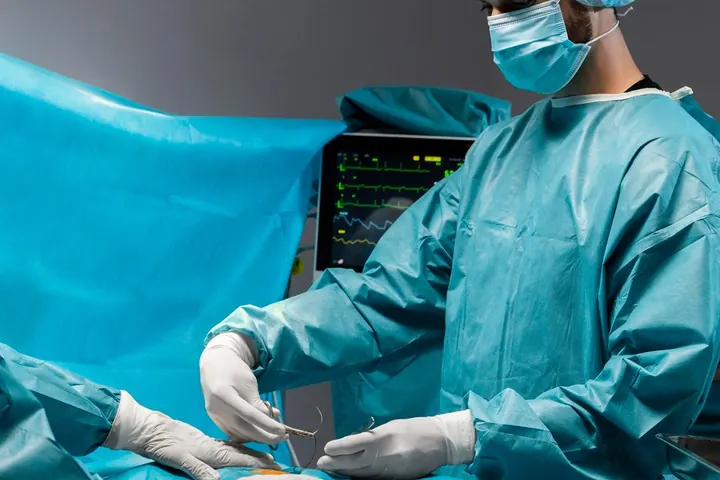
What is endoscopic spine surgery?
Endoscopic spine surgery is a minimally invasive surgical technique that uses an endoscope (a small camera) and specialised instruments to access and treat selected spinal conditions through a small incision.
Compared with some conventional open procedures, endoscopic techniques may allow the surgeon to reach the affected area while limiting disruption to surrounding tissues. Whether endoscopic surgery is appropriate depends on the type and location of the spinal problem.
The procedure is performed by the surgeon; the endoscopic system provides visualisation and access to the area being treated.
Conditions that may be treated
Dr. Shaiwal Saxena evaluates a range of spinal conditions and may consider endoscopic treatment for selected patients, including:
- Herniated or slipped discs
- Disc prolapse
- Sciatica associated with nerve compression
- Foraminal stenosis
- Selected cases of spinal stenosis
- Nerve root compression
- Certain degenerative disc conditions
- Selected cases of persistent back or leg pain associated with spinal pathology
Not every spinal condition can or should be treated using an endoscopic approach. A detailed clinical and imaging assessment is required before deciding on the appropriate treatment.
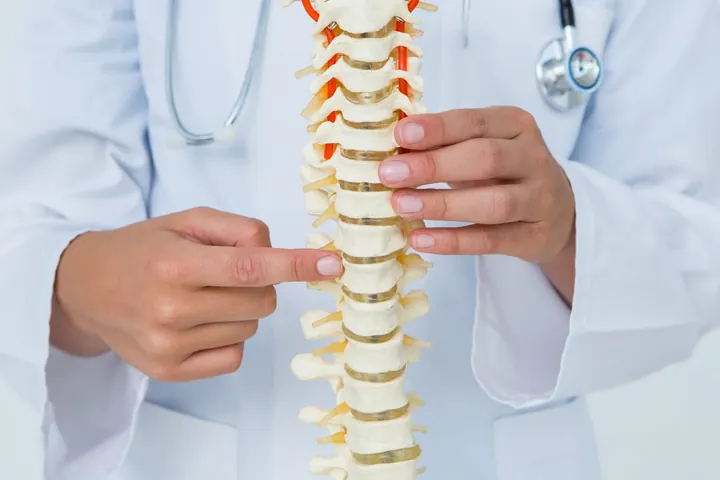
How endoscopic spine surgery works
Clinical evaluation
A detailed assessment of your symptoms, medical history, physical examination and previous treatments.
Diagnostic imaging
Appropriate imaging, such as MRI or other investigations, may be used to identify the location and nature of the spinal problem.
Treatment planning
Non-surgical and surgical treatment options are discussed, and whether an endoscopic approach may be appropriate is determined.
Endoscopic procedure
When endoscopic surgery is recommended, a small incision is used to introduce the endoscope and specialised instruments, and the surgeon treats the affected area using the endoscope’s view.
Recovery & follow-up
Recovery and rehabilitation are guided according to the type of surgery, the patient’s condition and individual recovery requirements.
Why endoscopic spine surgery may be considered
For appropriately selected spinal conditions, minimally invasive endoscopic techniques may offer certain differences compared with some conventional approaches. These can include:
- Smaller surgical access
- Less disruption to surrounding tissues
- Less postoperative discomfort in some patients
- Less blood loss in selected procedures
- Smaller surgical scars
- Potentially shorter hospital stay, depending on the procedure and patient
- Earlier mobilisation in appropriately selected cases
These vary from patient to patient and depend on the specific spinal condition and procedure. Endoscopic surgery is not automatically the better option for every spine problem.
Every spine problem needs an individual plan
Spinal symptoms can have many different causes. A similar symptom, such as back pain or leg pain, can result from different underlying conditions and may need very different treatments. Depending on the diagnosis, treatment may include:
The objective is to identify the underlying cause and select the treatment most appropriate for the individual patient.
Dr. Shaiwal Saxena’s approach to spine care
Dr. Shaiwal Saxena combines orthopaedic training with minimally invasive surgical techniques. His approach includes:
- Detailed clinical evaluation
- Appropriate diagnostic assessment
- Patient-specific treatment planning
- Considering non-surgical options before surgery where appropriate
- Minimally invasive techniques when clinically suitable
- Clear explanation of treatment options
- Post-operative rehabilitation and follow-up
The decision to recommend surgery is based on the patient’s diagnosis, symptoms, response to previous treatment and overall clinical requirements. Technology is used as a surgical aid where appropriate, while clinical judgement remains central to treatment decisions.
Recovery after endoscopic spine surgery
Recovery varies depending on the type of procedure, the spinal condition being treated, overall health and the extent of nerve or tissue involvement. After surgery, patients may receive guidance on:
- Activity and movement
- Wound care
- Physiotherapy
- Gradual return to daily activities
- Work and exercise restrictions
- Follow-up appointments
Some patients can mobilise relatively early after selected endoscopic procedures, while others need a longer recovery period. Your surgeon will provide guidance based on your individual procedure and condition.
Frequently asked questions
What is endoscopic spine surgery?
Endoscopic spine surgery is a minimally invasive procedure that uses a small camera and specialised instruments to access and treat selected spinal conditions through a small incision.
Is endoscopic spine surgery suitable for everyone?
No. Endoscopic surgery is suitable only for selected spinal conditions. The decision depends on the diagnosis, location of the problem, imaging findings, symptoms and other individual factors.
What conditions can be treated with endoscopic spine surgery?
Depending on the specific technique, endoscopic surgery may be considered for selected cases of disc herniation, disc prolapse, nerve compression, foraminal stenosis and certain other spinal conditions.
Does endoscopic spine surgery completely eliminate back pain?
Not necessarily. The outcome depends on the underlying cause of the pain and the condition being treated. Surgery is recommended only when the expected benefits and clinical indications support the procedure.
How soon can I return to normal activities?
Recovery varies according to the procedure and the individual patient. Some patients resume certain activities relatively early, while others need a longer rehabilitation period. Your surgeon will provide personalised recovery instructions.
Is endoscopic spine surgery better than conventional spine surgery?
Neither approach is appropriate for every patient. Endoscopic surgery may suit selected conditions, while conventional or other surgical approaches may be more appropriate for complex spinal problems. The treatment method is determined after clinical evaluation.
This page is general information for patient awareness and is not a substitute for a consultation. Suitability for any treatment is decided after clinical evaluation.