
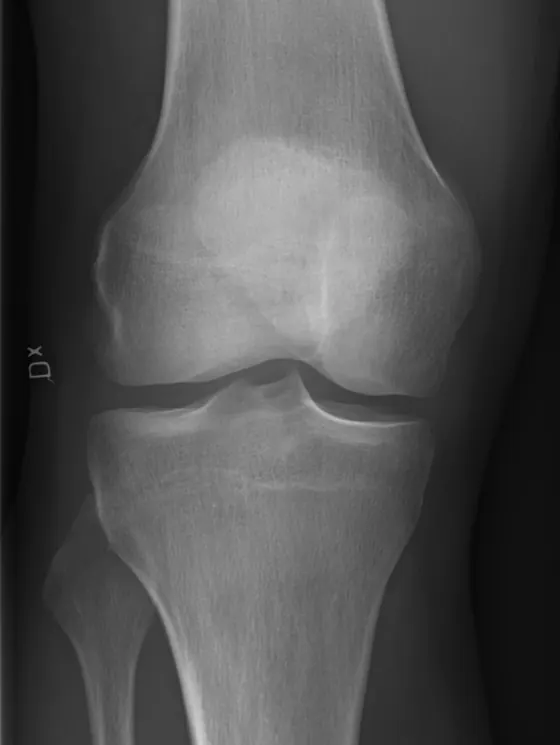
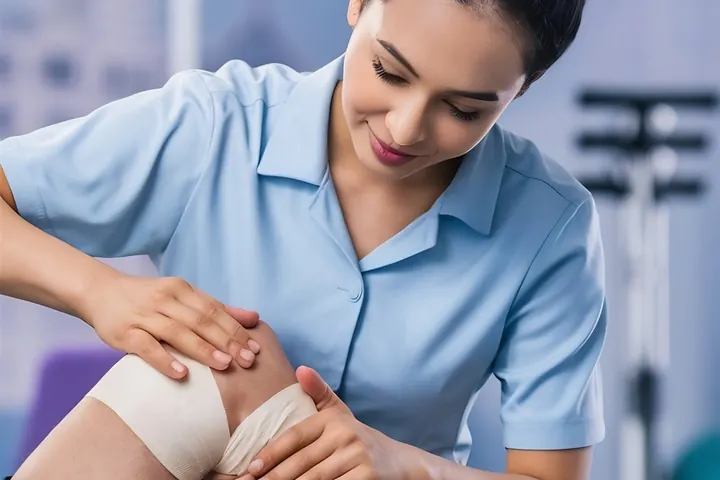
What is joint preservation?
Joint preservation refers to treatments designed to address damage or dysfunction within a natural joint while retaining as much of the patient’s own bone, cartilage and soft tissue as clinically possible.
These treatments may be considered for selected patients with early or localised joint damage, sports-related injuries, cartilage problems, alignment issues, or other conditions where preserving the natural joint may be appropriate.
The objective is to treat the underlying condition and maintain joint function wherever possible. Joint preservation is not suitable for every patient, particularly when joint damage has progressed significantly, so a detailed clinical evaluation comes first.
Conditions that may need joint preservation or reconstruction
Dr. Shaiwal Saxena evaluates and treats a range of conditions that may affect the structure and function of the joints, including:
- Early-stage osteoarthritis
- Cartilage defects and damage
- Meniscus injuries
- Ligament injuries
- Knee alignment problems
- Complex joint conditions requiring reconstruction
- Hip impingement
- Selected cases of avascular necrosis
- Post-traumatic joint deformities
- Joint instability
- Certain sports-related joint injuries
The appropriate treatment depends on the location and extent of damage, symptoms, imaging findings, activity level and overall health.
Joint preservation & reconstruction procedures
Cartilage repair & restoration
Cartilage damage can affect the smooth movement of a joint and may contribute to pain and stiffness. Depending on the location and extent of the defect, selected cartilage repair or restoration procedures may be considered.
Meniscus repair
The meniscus plays an important role in load distribution and stability within the knee. Where appropriate, repairing damaged meniscal tissue may help preserve the natural structure and function of the knee.
Ligament reconstruction
Ligament injuries, particularly those involving the knee, can affect joint stability and physical activity. Reconstruction may be recommended in selected cases where the ligament cannot heal adequately on its own or where persistent instability affects function.
Osteotomy & joint realignment
In selected patients, abnormal alignment can place excessive stress on one part of a joint. Osteotomy procedures can be used to correct alignment and redistribute load across the joint.
Minimally invasive arthroscopy
Arthroscopy uses a small camera and specialised instruments to diagnose and treat selected joint conditions through small incisions. It may be used for certain cartilage, meniscus, ligament and other intra-articular problems.
Reconstructive procedures
Complex injuries, deformities or problems following previous treatment may require reconstructive surgery. The procedure is planned according to the specific anatomy and functional requirements of the patient.
Is joint preservation right for you?
Joint preservation may be considered when the natural joint still has enough healthy structure to be repaired, protected or reconstructed. It may be an option for selected:
- Younger and active adults
- Athletes with joint injuries
- Patients with focal cartilage damage
- Patients with early-stage arthritis
- Patients with ligament or meniscus injuries
- Patients with certain alignment abnormalities
- Patients with selected post-traumatic joint problems
Age alone does not determine whether joint preservation is appropriate. The condition of the joint, symptoms, imaging findings, activity requirements and overall health all need to be considered.
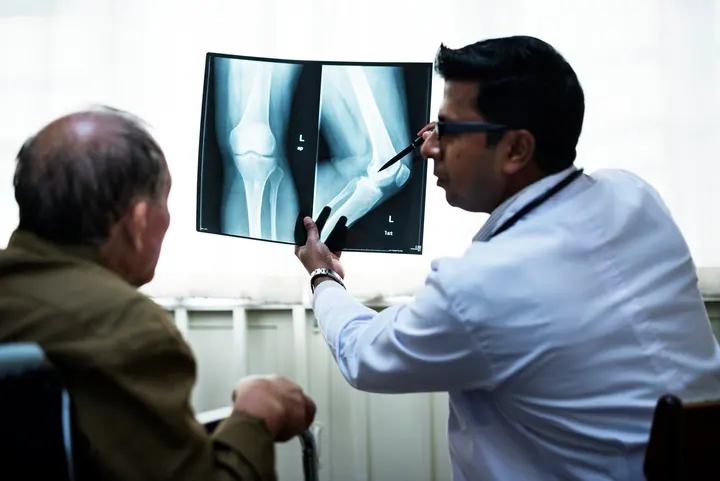
Joint preservation vs joint replacement
Joint preservation
Aims to repair, restore or reconstruct the patient’s natural joint where clinically appropriate.
Joint replacement
Replaces damaged joint surfaces with artificial components when the joint has deteriorated to a level where preservation procedures may no longer be suitable.
The choice between these approaches depends on the extent of joint damage and the patient’s individual circumstances. Joint preservation is not a substitute for joint replacement in every case.
A personalised approach to joint reconstruction
Each patient is evaluated individually before a treatment plan is recommended. The assessment may include:
Clinical consultation
Understanding symptoms, medical history, activity levels and treatment goals.
Physical examination
Assessing joint movement, stability, alignment and functional limitations.
Diagnostic imaging
Using appropriate imaging to understand the condition of the bone, cartilage, ligaments and other joint structures.
Treatment planning
Discussing suitable non-surgical and surgical options based on the diagnosis.
Rehabilitation planning
Guidance on physiotherapy, activity modification and recovery following treatment.
Dr. Shaiwal Saxena’s approach to joint preservation & reconstruction
Dr. Shaiwal Saxena has fellowship training in adult joint reconstruction and preservation. His approach includes:
- Detailed assessment before treatment
- Individualised treatment planning
- Preserving natural joint structures where appropriate
- Minimally invasive techniques when clinically suitable
- Reconstructive procedures for complex conditions
- Clear discussion of surgical and non-surgical options
- Structured rehabilitation and follow-up
Treatment recommendations are based on the patient’s clinical condition, diagnostic findings and individual requirements.
Recovery & rehabilitation
Recovery after joint preservation or reconstruction varies considerably depending on the procedure, the condition being treated, overall health and rehabilitation requirements. Depending on the treatment, recovery may involve:
- Activity modification
- Physiotherapy
- Strength and mobility exercises
- Gradual return to weight-bearing activities
- Regular clinical follow-up
- Sport-specific rehabilitation where appropriate
Your recovery plan is explained according to the specific procedure and your individual requirements. Physiotherapy support is available at the Bhopal clinic.
Frequently asked questions
What is joint preservation?
Joint preservation includes treatments that aim to repair, restore or protect the natural joint rather than replacing it with an artificial joint. It may be suitable for selected patients depending on the condition and the extent of joint damage.
Who may be suitable for joint preservation?
Joint preservation may be considered for selected adults with early arthritis, cartilage damage, ligament or meniscus injuries, alignment problems or certain post-traumatic joint conditions. A clinical evaluation is required to determine suitability.
Does joint preservation mean I will not need a joint replacement?
Not necessarily. The suitability and outcome of joint preservation depend on the underlying condition and extent of joint damage. In some cases, joint replacement may eventually become appropriate.
What is the difference between joint preservation and reconstruction?
Joint preservation focuses on maintaining the patient’s natural joint structures, while reconstruction involves repairing or rebuilding damaged structures to restore stability or function. Some procedures involve both.
Can arthroscopy be used for joint preservation?
Yes. Arthroscopy may be used for selected joint conditions involving structures such as the meniscus, cartilage and ligaments. Whether it is appropriate depends on the diagnosis and the extent of damage.
How long does recovery take after joint preservation surgery?
Recovery depends on the specific procedure, the joint treated, the severity of the condition and the rehabilitation programme. Your surgeon will provide a recovery plan based on your individual procedure.
This page is general information for patient awareness and is not a substitute for a consultation. Suitability for any treatment is decided after clinical evaluation.