
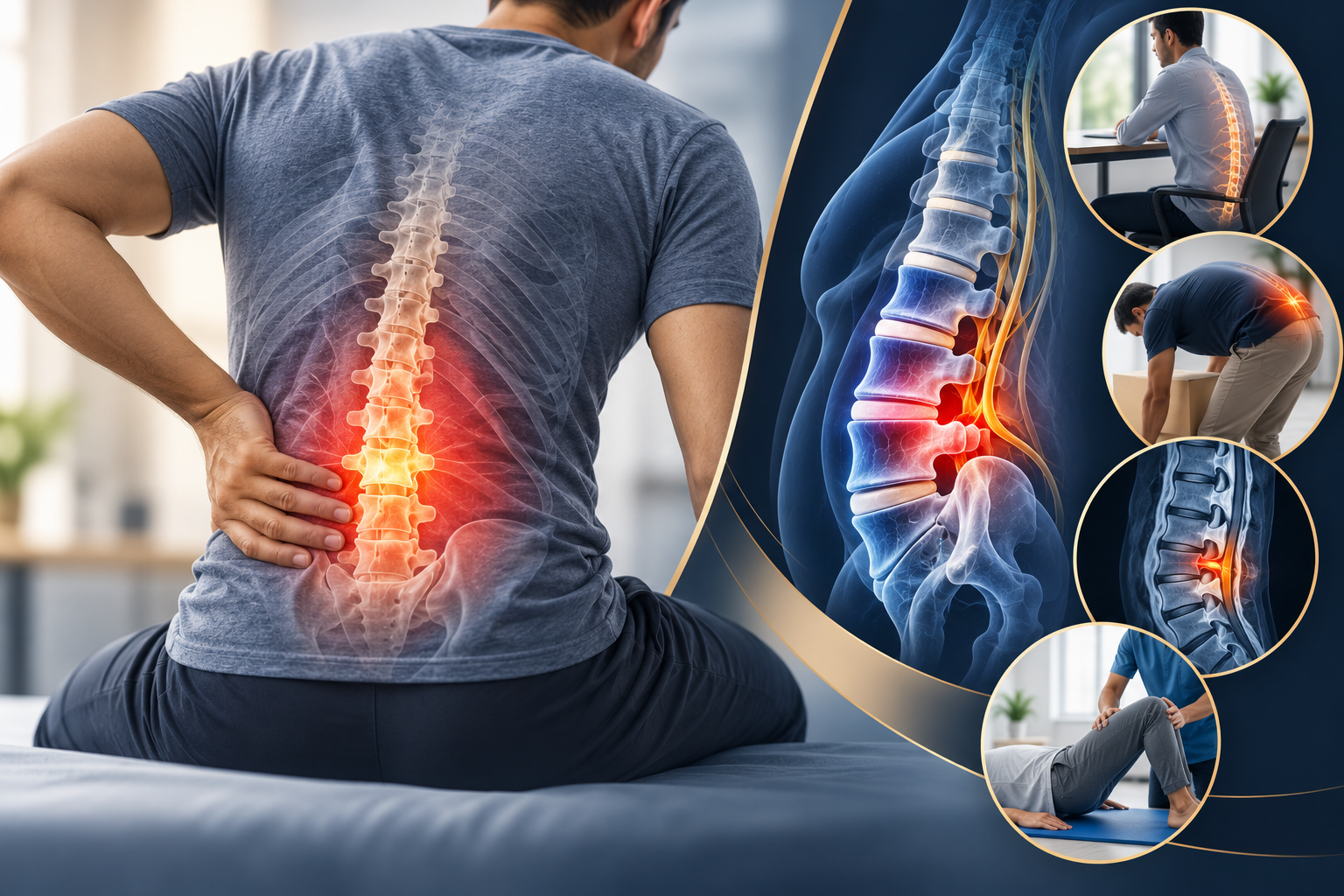
Back pain is a common problem that can affect people of different ages. It may develop due to poor posture, muscle strain, prolonged sitting, an injury, or certain spine-related conditions. While mild back pain often improves with appropriate care, persistent or severe pain should not be ignored.
Understanding the possible causes of back pain and available spine-care options can help you make informed decisions about your health.
Key Takeaways
- Back pain can result from muscle strain, posture-related problems, injuries, or spine conditions.
- Treatment depends on the cause, severity, and duration of the pain.
- Medical evaluation can help identify the underlying problem and guide treatment.
- Severe back pain accompanied by certain warning signs requires urgent medical attention.
What Are the Common Causes of Back Pain?
Back pain can develop for several reasons. Some common causes include:
- Poor posture: Sitting for long periods or maintaining an uncomfortable position can put strain on the back.
- Muscle strain: Lifting heavy objects incorrectly or making sudden movements can cause muscle pain.
- Disc-related problems: Changes in the spinal discs may cause back pain and, in some cases, symptoms that spread to the legs.
- Spinal conditions: Certain conditions affecting the spine can lead to persistent pain, stiffness, or difficulty with movement.
- Injuries: Falls, accidents, or other injuries may affect the muscles, ligaments, or structures of the spine.
The cause of back pain can vary from person to person. A medical assessment can help determine the underlying problem and guide appropriate treatment.
What Are the Available Spine-Care Options?
The right approach to back pain treatment depends on the underlying cause, the severity of symptoms, and the patient's overall health. Depending on the condition, a specialist may recommend the following options.
- Physiotherapy and exercises: Appropriate exercises may help improve flexibility, strengthen supporting muscles, and improve movement.
- Medication: A doctor may recommend suitable medication to help manage pain and inflammation when necessary.
- Lifestyle modifications: Improving posture, avoiding prolonged periods in one position, and following proper lifting techniques may help reduce strain on the back.
- Further investigations: Imaging tests may be recommended when symptoms, medical history, or examination findings indicate a need.
- Surgical treatment: Surgery may be considered for selected spinal conditions when non-surgical treatments have not provided sufficient relief or when the condition requires surgical intervention.
Some patients may be suitable for specialised procedures, such as Advanced Endoscopic Spine Surgery Care, depending on their diagnosis and a specialist's assessment.
When Should You Consult a Spine Specialist?
Consider consulting an orthopaedic or spine specialist if your back pain persists, keeps returning, becomes more severe, or interferes with everyday activities such as walking, sitting, or sleeping.
Seek urgent medical attention if back pain occurs with new bladder or bowel control problems, numbness around the groin or saddle area, or significant or progressive leg weakness. These symptoms may indicate a serious condition that requires immediate evaluation.
Early assessment can help identify the cause of your symptoms and determine whether conservative care, further investigation, or specialised treatment is appropriate.
Conclusion
Back pain can have several causes, and the right treatment depends on identifying the underlying condition. While many cases improve with non-surgical care, persistent or severe symptoms should be evaluated by a qualified specialist.
Dr. Shaiwal Saxena provides orthopaedic care, including Advanced Endoscopic Spine Surgery Care, joint replacement, and other orthopaedic treatments. If you are experiencing ongoing back pain or spine-related concerns, consulting a specialist can help you understand the possible causes and explore suitable treatment options based on your condition. You can also contact Dr. Shaiwal Saxena to enquire about an appointment.
Frequently asked questions
What is the most common cause of back pain?
Muscle strain and posture-related problems are common causes of back pain. However, persistent symptoms may also be associated with disc problems, injuries, or other spinal conditions.
Can back pain improve without surgery?
Yes. Many cases of back pain improve with non-surgical care, such as activity modification, appropriate exercises, physiotherapy, and medication when needed. The treatment depends on the cause and severity of the condition.
When should I see a doctor for back pain?
Consult a doctor if your back pain persists, worsens, repeatedly returns, or affects your daily activities. Seek urgent medical attention if you experience new bladder or bowel control problems, numbness around the groin, or progressive leg weakness.
What is advanced endoscopic spine surgery?
Advanced endoscopic spine surgery uses specialised instruments and a small camera to help a surgeon treat certain spinal conditions through a small incision. It is suitable only for selected conditions and patients, based on a specialist's assessment.
How can Dr. Shaiwal Saxena help patients with spine-related problems?
Dr. Shaiwal Saxena provides orthopaedic care for patients with musculoskeletal concerns. Patients experiencing back pain can consult a specialist to understand possible causes, discuss appropriate treatment options, and determine whether specialised spine care may be suitable for their condition.
This article is general information and not a substitute for a consultation.